
Everest Expedition Companies
Compare 87 different Everest expedition companies, offering 110 unique expeditions. With prices ranging from $24,000 to $120,000 and trip lengths from 23 days to 74 days.
Filter providers by location, route, duration, and price to choose the best Everest company for your goals and budget.
Scroll down to see the list of companies, or jump to alternative mountains and faqs.
Mount Everest overview: height, difficulty and key facts
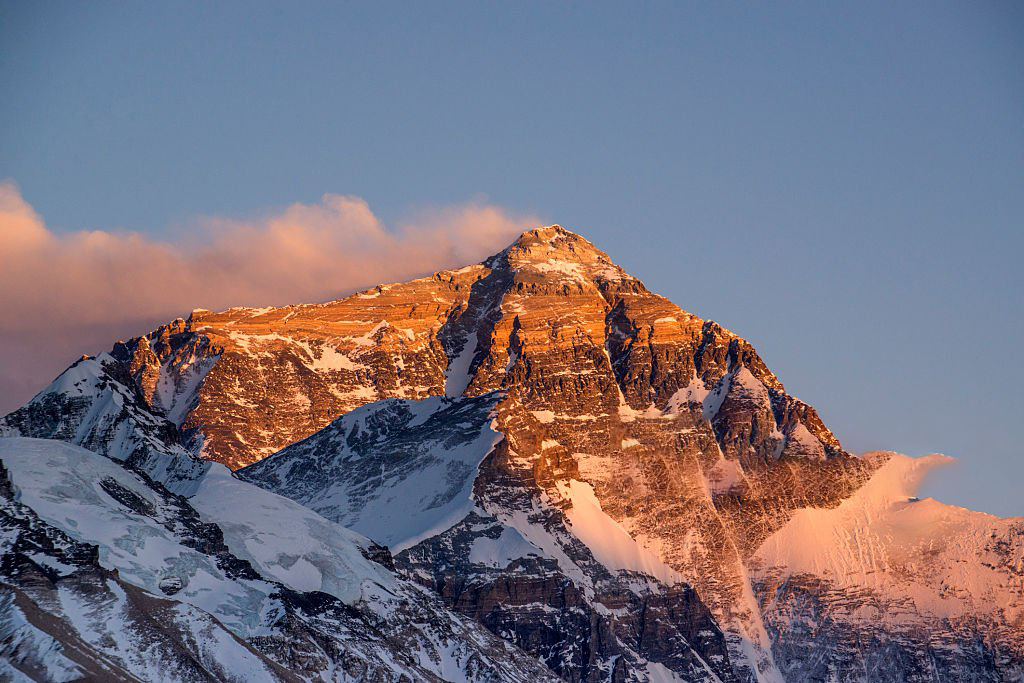
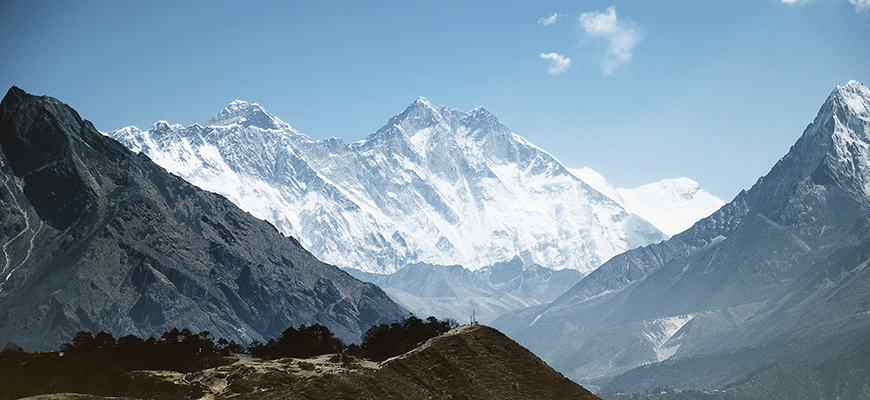
Mount Everest (8,848.86m) is the highest mountain in the world and the most commercially guided 8,000m peak. Climbers researching Everest typically want to know: how difficult it is, how long it takes, and how much it costs.
- Height: 8,848.86 metres (29,031.7 ft)
- Typical expedition length: 50–70 days
- Main climbing season: April–May
- Difficulty level: Extreme altitude; technically moderate but physically and mentally demanding
- Typical commercial expedition cost: USD $35,000–$100,000+
While Everest is often described as "non-technical" compared to other Himalayan peaks, the altitude, duration, cold exposure, and objective hazards make it a serious high-risk expedition.
Everest routes compared: South Col (Nepal) vs North Ridge (Tibet)
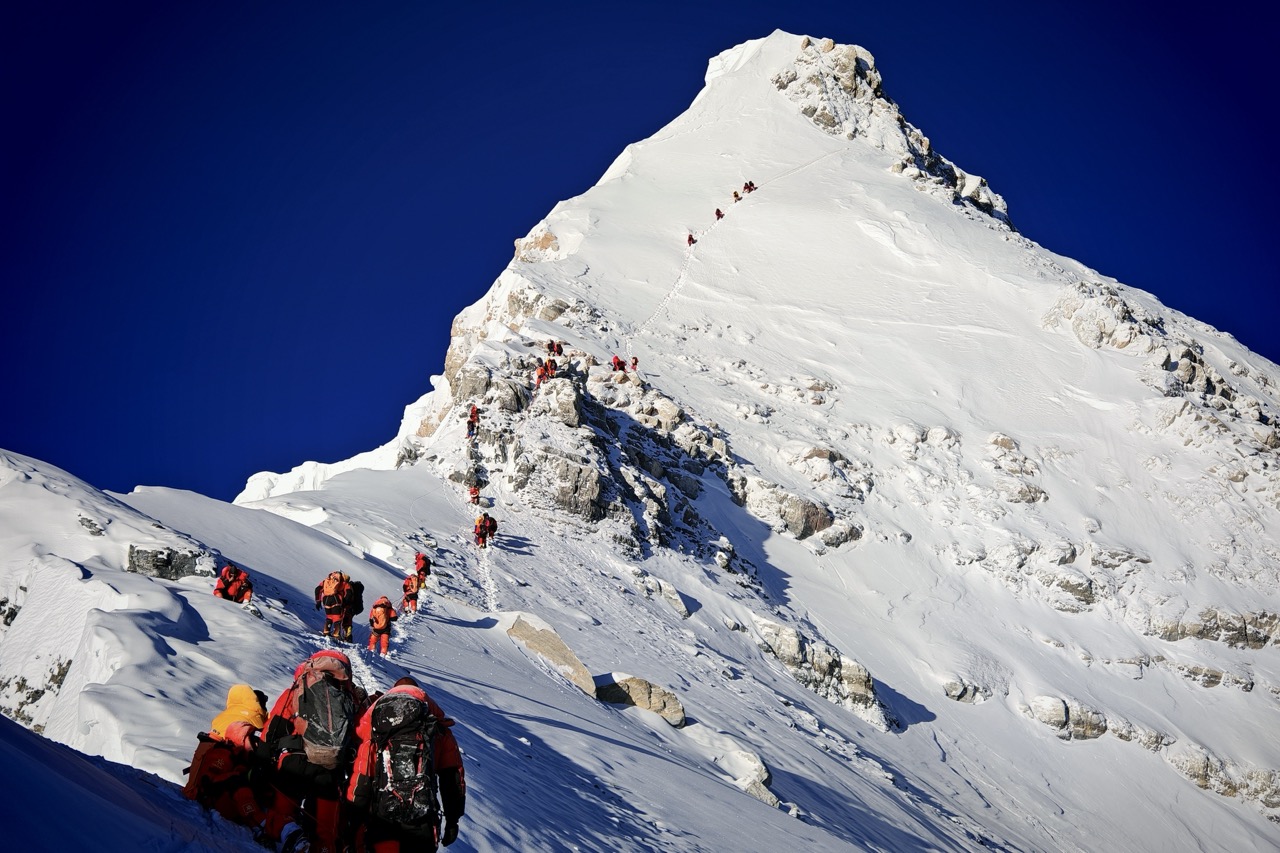
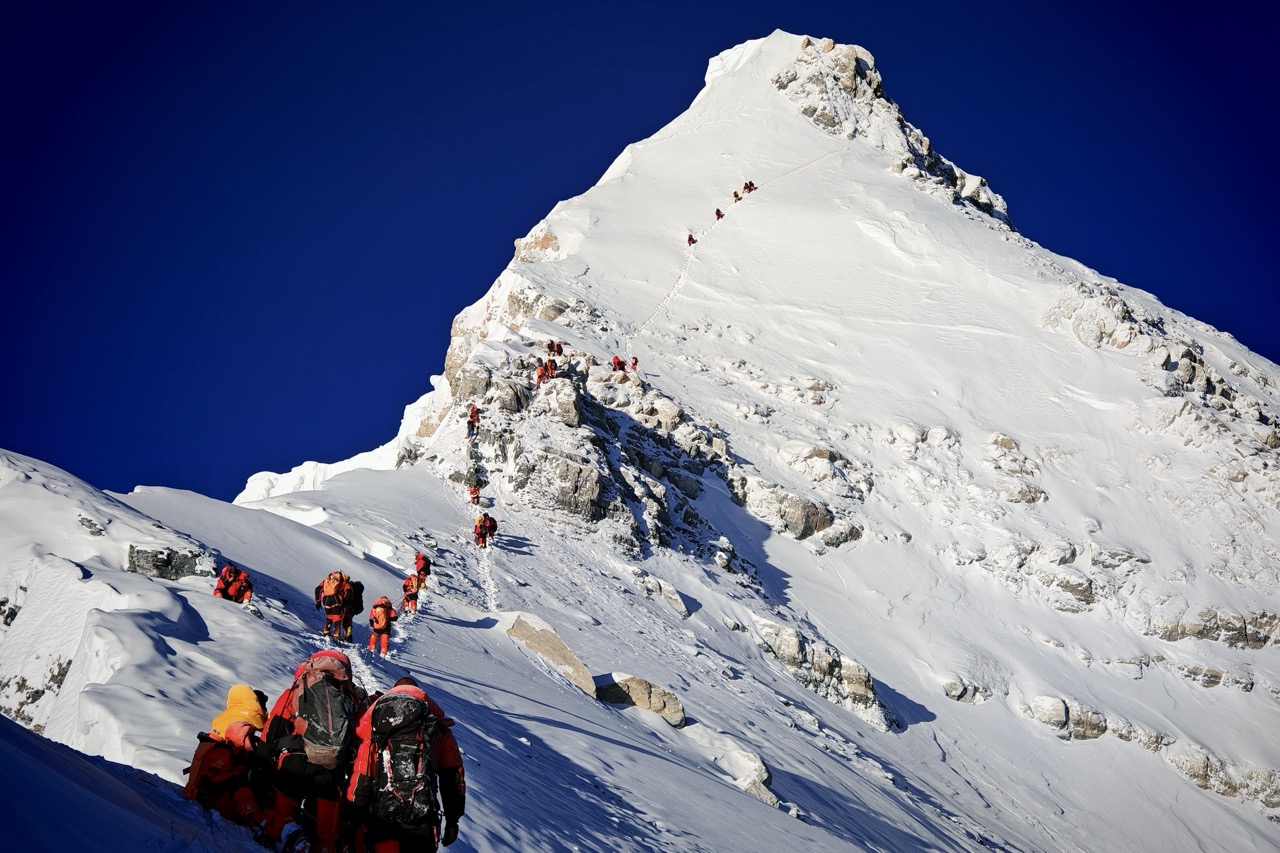
The two main commercial Everest routes are the South Col route from Nepal and the Northeast Ridge from Tibet. When comparing Everest routes, most climbers choose the Nepal side.
South Col Route (Nepal)
- Approach via Lukla and Everest Base Camp trek
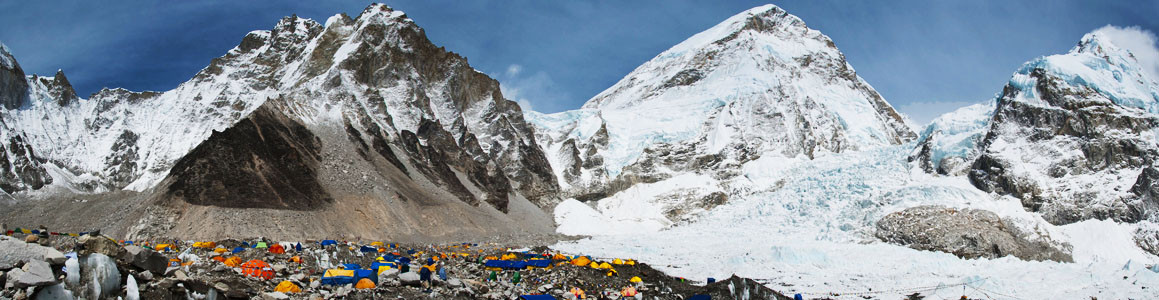
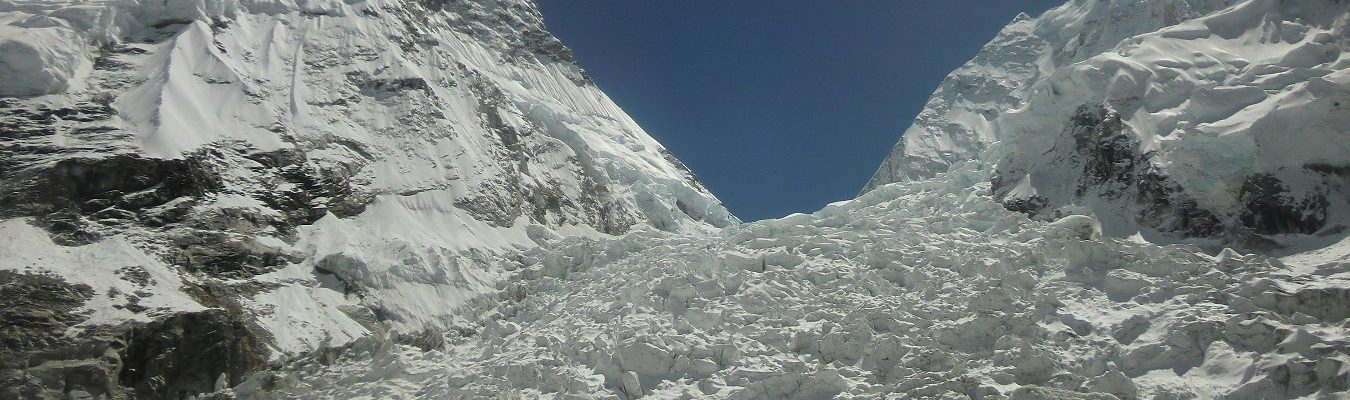
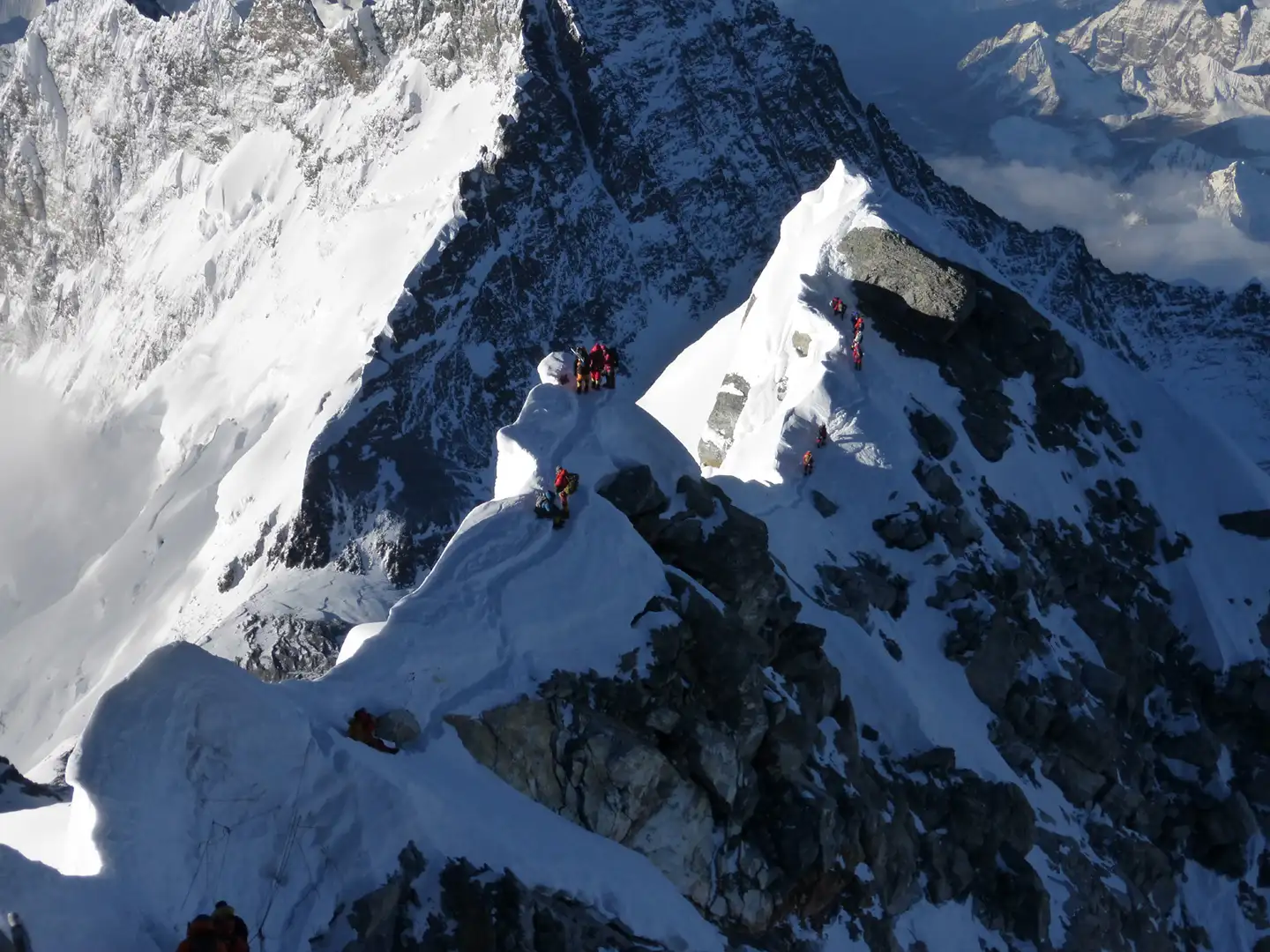
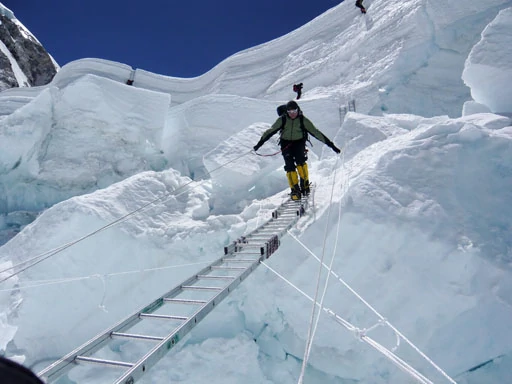
- Includes the Khumbu Icefall, Western Cwm, Lhotse Face
- Most popular and historically highest summit numbers
- More infrastructure and rescue access
North Ridge Route (Tibet)
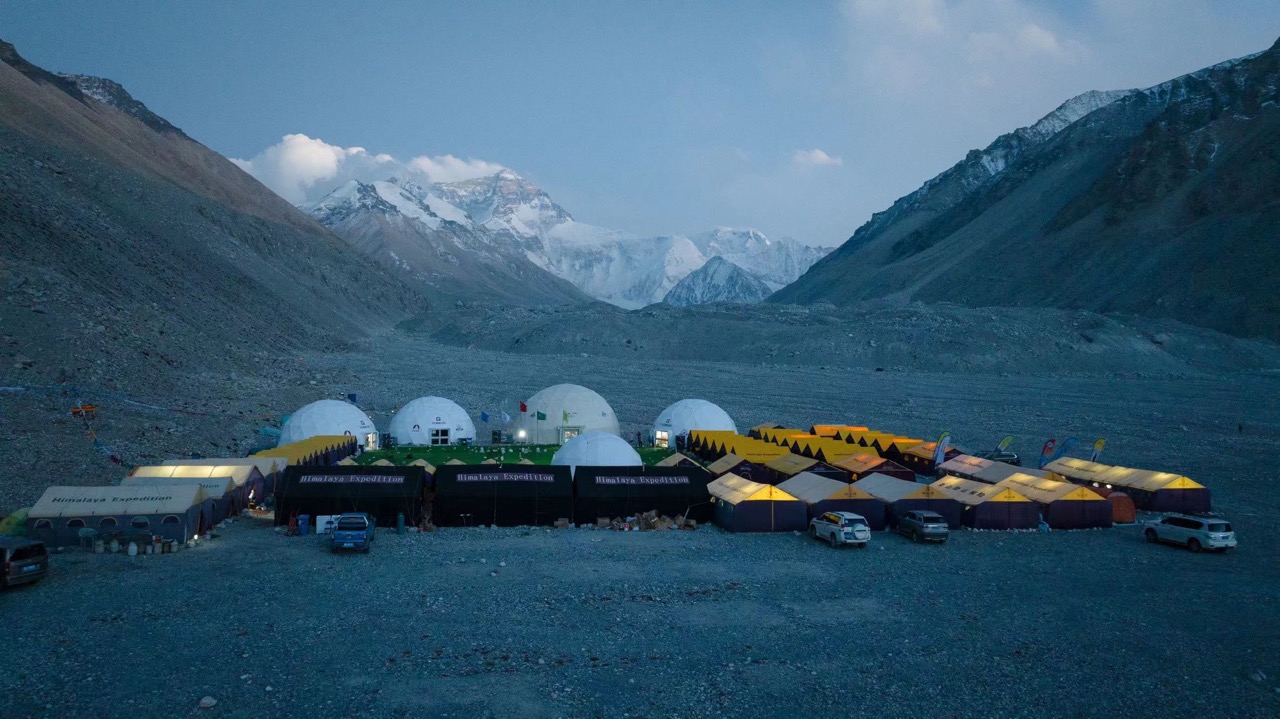
- Vehicle access to Base Camp (less trekking)
- Colder and windier summit ridge
- No Khumbu Icefall, but more exposed upper ridge climbing
When researching which Everest route is safer, both have objective hazards but different risk profiles. Operator logistics and weather timing are more important than the side chosen.
How long does it take to climb Mount Everest?
Most commercial Everest expeditions take 6 to 10 weeks (50–70 days) from arrival in Kathmandu to departure.
- Arrival, permits and preparation (3–5 days)
- Trek to Everest Base Camp (8–12 days on Nepal side)
- Acclimatisation rotations (3–4 weeks)
- Rest and weather monitoring period
- Summit push during weather window (5–7 days)
- Descent and departure
Delays due to weather are common, which is why Everest expeditions build in contingency days.
Best time to climb Mount Everest (best months explained)
The best month to climb Mount Everest is usually May, during the spring climbing season.
Spring Season (April–May)
- Main Everest climbing season
- Jet stream shifts north, reducing summit winds
- Most successful summit attempts occur in May
Autumn Season (September–October)
- Smaller season with fewer teams
- Colder and less predictable summit windows
Winter
- Extreme jet stream winds
- Not a commercial climbing season
If you are researching the safest time to climb Everest, spring offers the most stable conditions and established infrastructure.
Everest climbing permit cost and required government fees
The Everest permit cost is one of the largest fixed expenses of the expedition.
Nepal (South side) permit fees
- Everest climbing permit (spring): USD $11,000 per climber
- Sagarmatha National Park entry: ~$30–40
- Khumbu Rural Municipality fee: ~$20
- Route fixing fee: ~$600–1,000
Tibet (North side) permit fees
- Climbing permit: approximately USD $8,000–$10,000 equivalent
You cannot obtain an Everest permit independently. You must climb with a licensed expedition operator who arranges permits and regulatory requirements.
How difficult is it to climb Mount Everest?
Everest is not technically the hardest 8,000m peak, but the altitude makes it extremely serious.
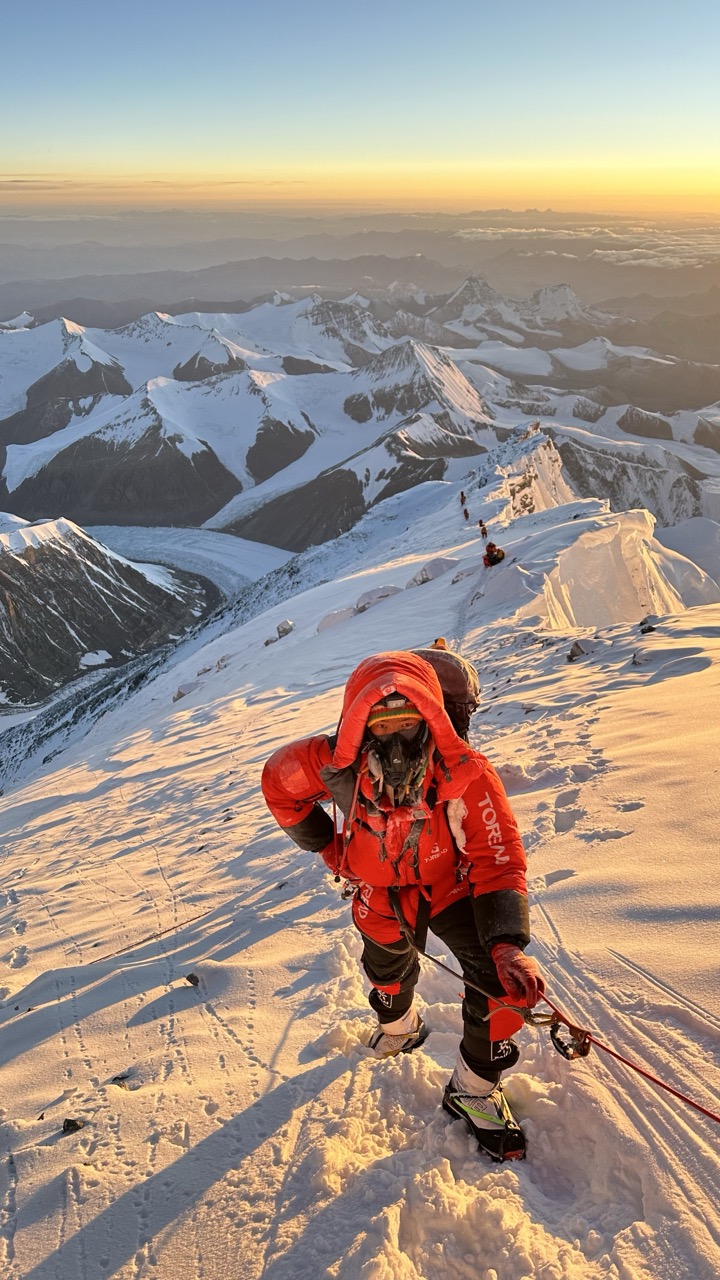
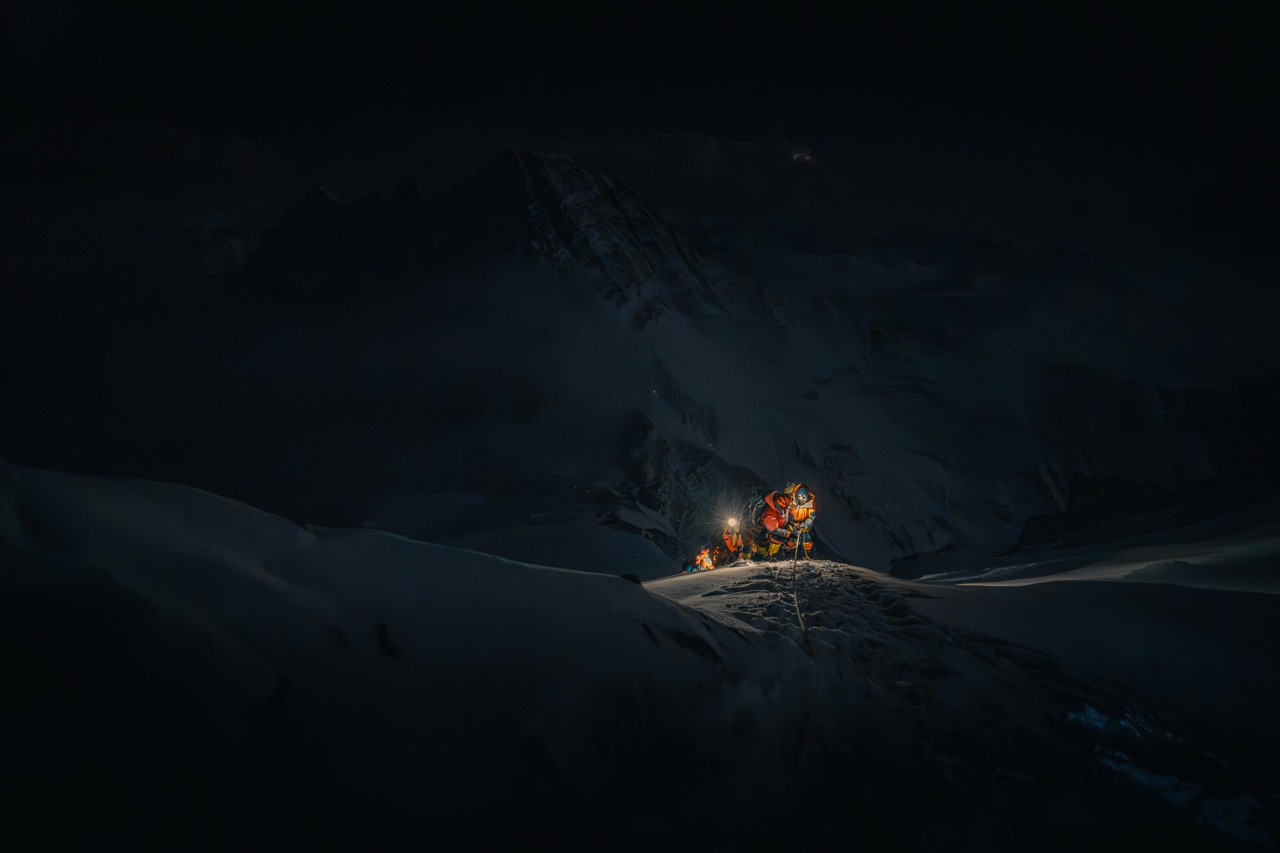
- Climbers spend time above 8,000m in the "death zone"
- Requires prior high-altitude mountaineering experience
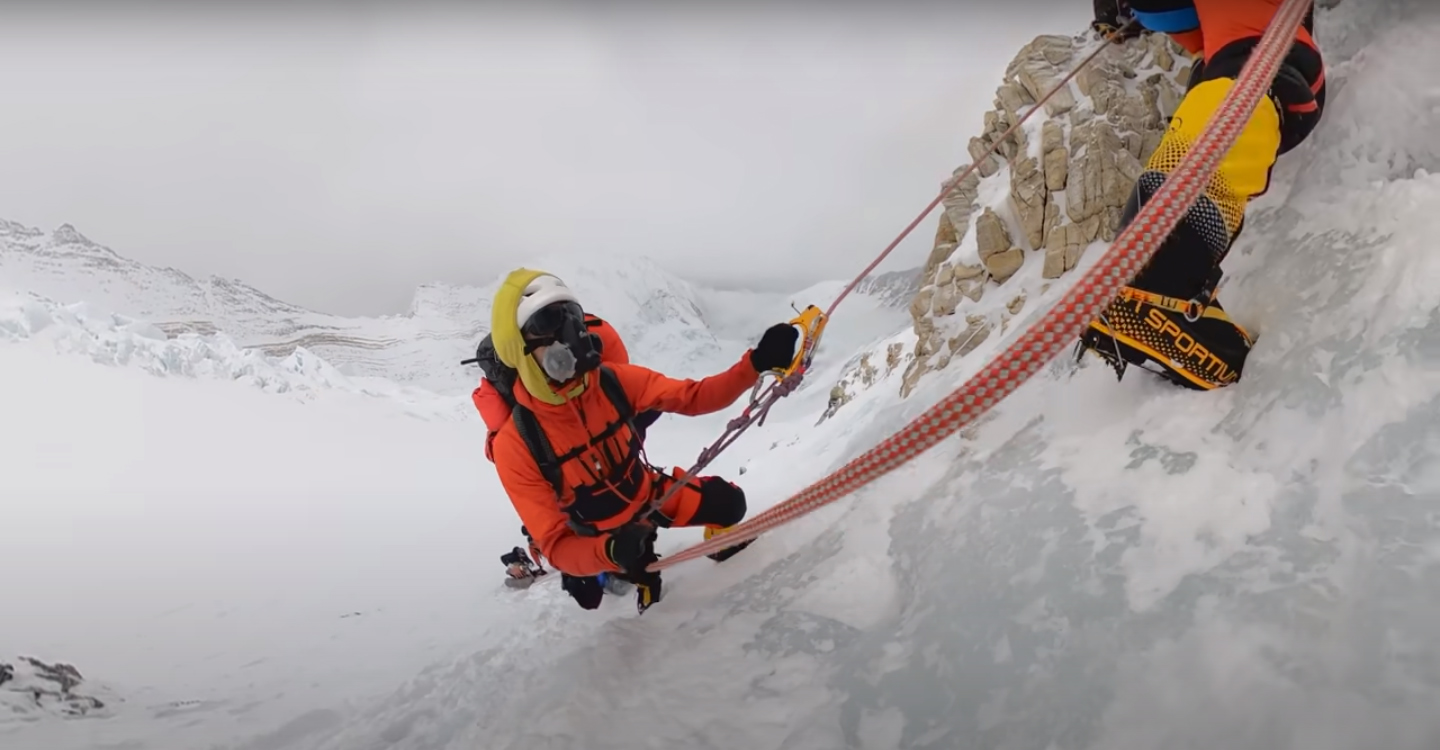
- Strong fixed-rope and crampon skills required
- Physical endurance and cold tolerance are critical
Most reputable operators recommend at least one 6,000–7,000m peak before attempting Everest.
How much does it cost to climb Mount Everest?
The total cost to climb Mount Everest typically ranges from USD $35,000 to $100,000+ depending on the operator, guide ratio, oxygen strategy and level of support. One of the most common questions is: what is actually included in that price?
What is usually included in an Everest expedition package
- Government climbing permit (Nepal side): $11,000 per climber
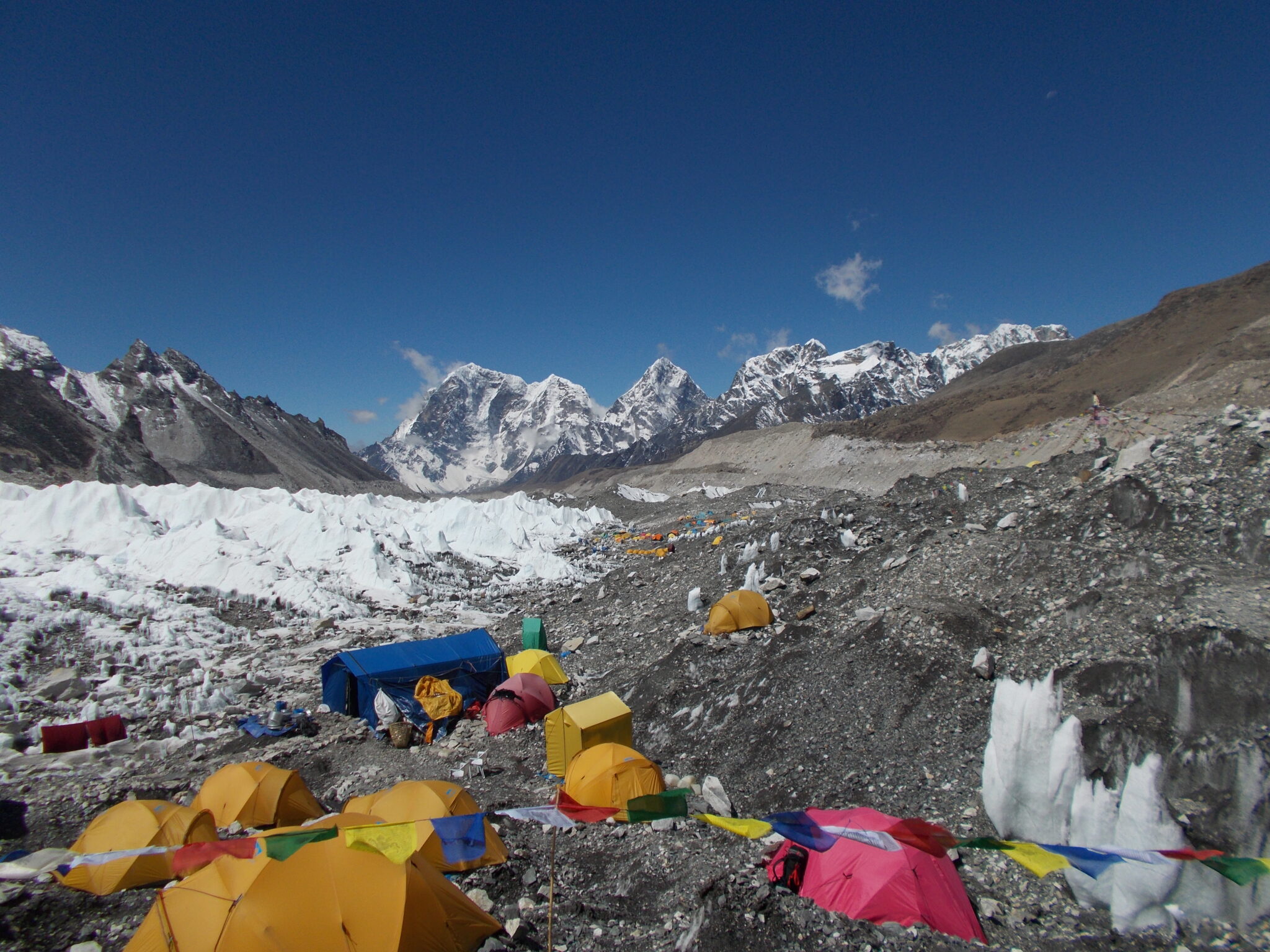
- Base Camp services: personal tent, dining tent, kitchen staff, sanitation setup, communications infrastructure
- Climbing Sherpa support: load carrying, camp setup, summit support (ratio varies by operator)
- Oxygen supply: typically 3–5 bottles per climber (value approx. $3,000–$6,000 depending on quantity and flow rates)
- Route fixing contribution fee: ~$600–$1,000
- High camp tents and group equipment
- Meals at Base Camp and during rotations
- Domestic flights (Kathmandu–Lukla) on Nepal side
Higher-priced expeditions often include a Western lead guide, higher Sherpa ratios, additional oxygen bottles, and stronger medical infrastructure.
Costs that are often NOT included (additional expenses)
- International flights: $1,000–$2,000+
- Personal climbing gear: $5,000–$10,000+ if buying new (boots, down suit, mitts, sleeping bag)
- Travel and evacuation insurance: $1,000–$3,000
- Tips and summit bonuses for Sherpa team: typically $1,000–$3,000+
- Extra oxygen bottles beyond standard allocation: additional cost per bottle
- Hotels and meals in Kathmandu
- Visa fees
Why Everest prices vary so much
- Guide-to-client ratio (1:1 Sherpa support vs shared)
- Number of oxygen bottles included
- Western guide leadership vs local guide-only teams
- Base Camp medical facilities and communications setup
- Logistics quality and contingency planning
If you are comparing Everest expedition prices, always request a fully itemised inclusion list. Lower headline prices may reflect fewer oxygen bottles, lower staffing ratios, or fewer services included.
Is climbing Mount Everest dangerous?
Climbing Everest carries significant risk due to altitude, weather and objective hazards.
- Altitude illness (AMS, HACE, HAPE)
- Frostbite and extreme cold exposure
- Crevasse falls and avalanches
- Long exposure above 8,000m
Choosing a reputable operator with clear oxygen planning and conservative summit policies significantly improves safety margins.
What gear do you need to climb Mount Everest?
Climbing Everest requires specialised 8,000m equipment.
- 8000m-rated double or triple boots
- Expedition down suit
- High-altitude mitts and gloves
- Climbing harness and ascender
- -30°C to -40°C sleeping bag
Many climbers budget $5,000–$10,000 for personal equipment if purchasing new gear.
How to choose the best Everest expedition operator
When comparing Everest operators, consider:
- Guide-to-client ratio
- Oxygen bottle allocation and flow rates
- Medical support at Base Camp
- Summit turnaround policies
- Transparent itemised pricing
If you are researching the best Everest expedition company, focus on safety systems and experience rather than headline price alone.
Filter By
Compare Everest expedition companies













.JPG)

























































Explore related treks & expeditions
Everest Trek & Expedition FAQs
How long does Everest take?
Across the operators we track, itineraries for Everest run between 23 days and 74 days (median 60 days), depending on the route, acclimatization schedule and whether extra days are built in for weather.
How much does Everest cost?
Prices from the 59 USD-quoted operators we track for Everest range from $24,000 to $110,000, with a median around $46,950. Exact cost depends on group size, service level (shared vs. private) and what's included, such as permits, staff and equipment.
When is the best time to climb/trek Everest?
Everest is located in Nepal's border with Tibet - the world's highest mountain at 8,849m. The best season is generally primarily spring (March-May), with a narrow summit window in mid-to-late May.
What permits do I need for Everest?
You'll typically need a Nepal Department of Tourism climbing royalty, which rose sharply in September 2025 to $15,000 per person for the spring season ($7,500 autumn, $3,750 winter/monsoon), plus a new rule requiring one guide for every two climbers on any 8,000m peak.
How difficult is Everest?
The standard South Col route involves the Khumbu Icefall, sustained fixed-rope climbing above 8,000m, and near-universal use of supplemental oxygen above the South Col.
How much does a full Everest expedition cost in total?
Beyond the $15,000 government royalty, all-in packages including logistics, oxygen, Sherpa support, insurance and the mandatory garbage deposit typically run from around $35,000 at the budget end to well over $100,000 for full-service premium operators.