How Much Does It Cost to Climb Aconcagua? Comparing Operators, Countries and Routes
About Summit Scanner
Summit Scanner Insights is built from the real pricing and duration data Summit Scanner collects across hundreds of trekking and expedition operators worldwide. This piece compares advertised Aconcagua expedition prices across Argentine, US, UK and other operators, and across the Normal Route, the 360/Polish Traverse and the Polish Glacier route, to explain why the same mountain can carry such different price tags.
The Story
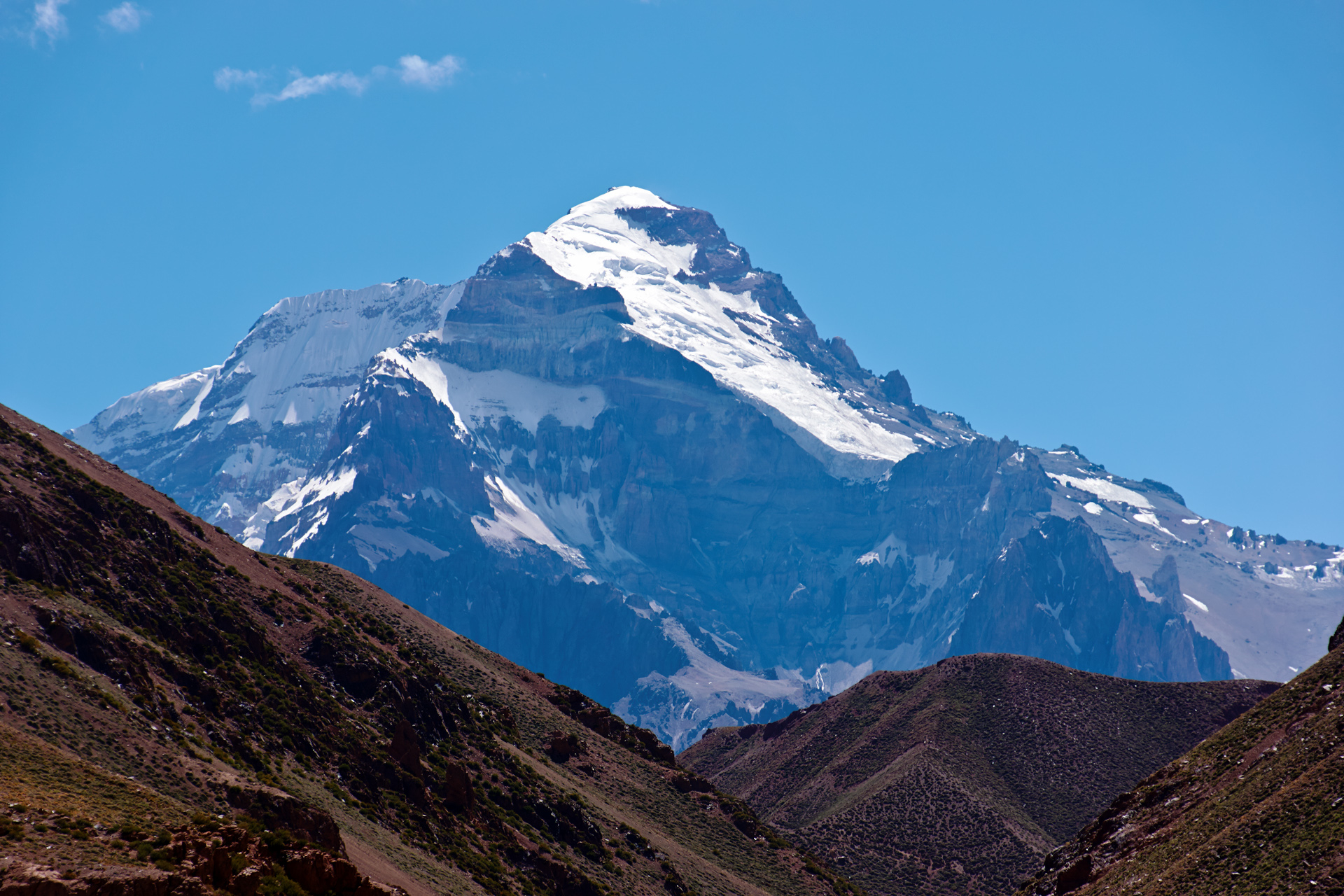
At 6,961 metres, Aconcagua is the highest mountain outside Asia and one of the most popular high-altitude expedition objectives in the world. But while the mountain is the same for everyone, the price of climbing it certainly isn't.
Across the Aconcagua expeditions we reviewed, advertised prices range from just over $4,000 to more than $20,000. Some of that difference comes down to the route, expedition length and level of support, but another striking factor is where the trekking or mountaineering company is based.
Understanding those differences can make it much easier to work out whether a more expensive expedition genuinely offers more value.
Does the operator's home country affect the price?
Yes — quite significantly.
Among Argentina-based operators advertising their expeditions in US dollars, prices generally fall between $4,099 and $6,595, with a median of approximately $5,890.
That makes local Argentine operators some of the most competitively priced options for Aconcagua.
By comparison, US-based operators advertising in dollars range from approximately $6,800 to $20,500, with a median of around $7,650.
The contrast becomes particularly noticeable on the 360/Polish Traverse. Argentine operators offering this route have a median price of roughly $5,986, while the median among US operators is approximately $9,600.
That is a difference of more than $3,600 before considering flights, equipment or other personal expenses.
British operators occupy a broad middle ground. Among UK companies pricing their expeditions in pounds, advertised prices range from approximately £3,595 to £8,400, with a median of around £5,650.
However, country alone should never determine which expedition you choose. A higher price may reflect smaller groups, more guides, additional hotels, porter support or a different overall service level. Equally, a locally based operator may be able to provide similar services for less because it has its own staff and infrastructure in Argentina.
How much does the route matter?
Aconcagua has several established routes, but three appear most frequently in the expeditions we reviewed: the Horcones Valley (Normal Route), the 360/Polish Traverse, and the considerably more technical Polish Glacier route.
The Normal Route is the most widely offered. Among expeditions advertised in US dollars, its median price is approximately $6,800.
The 360/Polish Traverse tends to cost more, with a median of around $7,650 among dollar-priced expeditions. It approaches the mountain through the Vacas Valley before traversing around Aconcagua rather than descending the same way.
But route choice does not automatically explain every price difference.
Several operators charge exactly the same amount for their Normal and 360 itineraries. Others apply a relatively modest premium. One UK operator, for example, lists its Normal Route expedition at £5,350 and its 360 expedition at £5,650.
The Polish Glacier route is different again. It is a more technical mountaineering objective and is offered by far fewer companies. One French operator we reviewed prices its Normal and 360 expeditions at €7,950, while its Polish Glacier expedition rises to €12,950. Another US operator charges $6,800 for the Normal Route and $7,800 for the Polish Glacier.
This illustrates why comparing Aconcagua expeditions purely by their advertised price can be misleading: you need to establish that you are actually comparing equivalent routes and levels of support.
What does your Aconcagua expedition price actually include?
This is where comparisons become more difficult.
We have not been able to source consistent, sufficiently detailed inclusion and exclusion information across every operator to make a reliable like-for-like comparison of all expedition packages.
That means trekkers should look beyond the headline price and check the individual itinerary carefully before booking.
For Aconcagua specifically, one of the first things to check is the Aconcagua Provincial Park permit. Confirm whether this is included in the advertised expedition price or must be purchased separately.
You should also check exactly where the expedition begins. Does the price include airport transfers and accommodation in Mendoza, or does the operator's responsibility only begin once the group leaves the city?
Transport between Mendoza, Penitentes or the trailhead should also be confirmed.
On the mountain itself, look closely at mule transportation. Mules are commonly used to transport expedition equipment to and from base camp, but baggage allowances and services can vary.
Higher on Aconcagua, the distinction between guided climbing and porter-supported climbing becomes particularly important. Find out whether high-altitude porters are included, available as an optional extra, or whether you will be expected to carry your own personal equipment between camps.
Other details worth checking include meals, tents, base-camp services, guide-to-client ratios, group size and whether additional acclimatisation or contingency days are built into the itinerary.
And what might be excluded?
International flights are an obvious additional expense, but they are far from the only one.
Trekkers should check whether they need to budget separately for the park permit, personal climbing equipment, travel and high-altitude insurance, evacuation costs, tips, high-altitude porter services, satellite communications, extra hotel nights and meals away from the mountain.
It is also worth investigating what happens if you descend early. A rescue or early departure could potentially leave you responsible for additional transport or accommodation that was not part of the original itinerary.
These details matter because a $5,000 expedition requiring several substantial extras may ultimately cost more than a $6,000 package where most local logistics are already covered.
The cheapest Aconcagua expedition isn't necessarily the cheapest trip
The price differences between Aconcagua operators are substantial.
Argentina-based companies appear particularly competitive, while US operators generally occupy a higher price bracket, especially on the 360/Polish Traverse. UK companies cover a wide range, from relatively budget-conscious expeditions to considerably more expensive packages.
Route choice matters too, but perhaps less predictably than expected. The 360 Traverse often carries a premium over the Normal Route, while technical Polish Glacier expeditions can be significantly more expensive.
Ultimately, the figure worth comparing isn't simply the advertised expedition price.
It is the total expected cost of getting from home to Aconcagua, attempting the summit and returning home again — with permits, transport, accommodation, mountain logistics and any support you realistically expect to need accounted for.
That is the number that tells you whether an Aconcagua expedition really represents good value.