Base Camp Treks Compared: Which Trek Is Right for You?
About Summit Scanner
Summit Scanner Insights is built from the real pricing and duration data Summit Scanner collects across hundreds of trekking and expedition operators worldwide. This piece compares advertised prices and typical itineraries across eight major Base Camp treks — Everest, Annapurna, K2, Kanchenjunga, Makalu, Ama Dablam, Dhaulagiri and Nanga Parbat — to show how much duration, cost and operator location can vary behind the same “Base Camp trek” label.
The Story
When you hear the words “Base Camp trek,” Everest is probably the first destination that comes to mind. But Everest Base Camp is only one of many spectacular journeys into the world’s great mountain ranges.
From the well-established trails of Everest and Annapurna to the remote approaches to K2, Kanchenjunga and Makalu, Base Camp treks can differ enormously in length, cost, accessibility and overall experience.
We compared advertised expeditions to eight major Base Camp destinations: Everest, Annapurna, K2, Kanchenjunga, Makalu, Ama Dablam, Dhaulagiri and Nanga Parbat. Here’s how they compare.
How Long Does a Base Camp Trek Take?
One of the biggest differences is simply the amount of time you need.
Annapurna Base Camp is among the more accessible options, with a typical itinerary of around 11 days and trips ranging from approximately 5–16 days. Ama Dablam Base Camp is similar, with a typical duration of around 12 days and itineraries generally ranging from 9–17 days.
Some itineraries can be shorter still. Trips to Nanga Parbat Base Camp can be completed in around seven days.
Everest Base Camp typically requires around 14 days. Although shorter and considerably longer packages are available, two weeks remains a useful benchmark for the classic trek.
The more remote Base Camps generally demand a much bigger time commitment.
Dhaulagiri Base Camp itineraries are around 19 days, while Makalu Base Camp also has a typical duration of approximately 19 days. K2 Base Camp comes in at around 20 days.
The longest of the group is Kanchenjunga Base Camp, where the typical itinerary is around 25 days, with some expeditions extending considerably beyond that.
So, while all of these adventures are described as “Base Camp treks,” the time commitment can range from roughly a week to several weeks.
How Much Do Base Camp Treks Cost?
Price differences are just as significant as differences in duration.
Advertised prices vary considerably depending on the operator, itinerary and what is included in the package. Looking at trips with published US-dollar prices gives a useful indication of the market:
| Base Camp | Typical Duration | Advertised Price Range | Median Price |
|---|---|---|---|
| Annapurna | 11 days | $450–$4,399 | $895 |
| Nanga Parbat* | 7 days | $990 | $990 |
| Ama Dablam | 12 days | $1,120–$1,599 | ~$1,400 |
| Everest | 14 days | $500–$14,500 | ~$1,493 |
| Makalu | 19 days | $1,199–$2,900 | ~$2,038 |
| Kanchenjunga | 25 days | $1,700–$4,550 | ~$2,403 |
| K2 | 20 days | $1,395–$9,500 | $2,590 |
| Dhaulagiri* | 19 days | $2,899 | $2,899 |
*Fewer published prices were available for these destinations, so these figures should be treated as indicative rather than a broad representation of the market.
Base Camp Treks at a Glance
In simple terms, Annapurna Base Camp combines a relatively short itinerary with the lowest median advertised price, while Everest Base Camp sits in the middle for duration but offers by far the widest price range. Ama Dablam is another relatively short option, whereas Makalu, Dhaulagiri and K2 generally require closer to three weeks. Kanchenjunga Base Camp demands the greatest time commitment, with a typical itinerary of around 25 days. For those considering Pakistan, Nanga Parbat can be significantly shorter, while K2 is the more substantial expedition-style journey.
Overall, the comparison shows a broad progression: shorter and more established Base Camp treks tend to require less time and can be found at lower prices, while longer, more remote routes generally involve greater logistical commitments and higher costs. Everest is the major exception, with everything from relatively inexpensive local treks to high-end luxury and VIP packages.
At around $895, Annapurna has the lowest median advertised price. At the other end of the spectrum, K2 Base Camp has a median of around $2,590 among the destinations with a broader selection of published prices.
Everest has by far the most dramatic price range: approximately $500 to $14,500. That enormous gap highlights an important point when comparing Base Camp treks: two trips to exactly the same destination may offer very different levels of service.
A budget package and a premium expedition may differ in accommodation, guide-to-client ratios, domestic transport, porter support, meals, equipment, pre-trip assistance and other inclusions.
Does the Country of the Trekking Company Affect the Price?
Where an expedition company is based is associated with some striking differences in advertised prices, particularly for Everest Base Camp.
Nepal-based companies have a median advertised USD price of approximately $1,456. By comparison, the median rises to around $3,070 for UK-based operators, $3,400 for Irish operators and $6,550 for US-based operators.
One important factor behind the higher prices seen among UK and US operators is the type of package commonly offered. These markets include more luxury and VIP-style Everest Base Camp packages, which can sit at the premium end of the price range. Rather than simply reflecting a higher price for the same trek, these packages may offer a very different experience, with enhanced accommodation, additional support, smaller groups, upgraded transport or other premium services.
A similar geographical price difference can be seen for K2 Base Camp. Pakistan-based companies have a median advertised price of approximately $2,300, compared with around $3,915 for UK-based companies and $6,775 for US-based companies.
This is why comparing prices purely by destination can be misleading. A locally operated standard trek and an internationally marketed luxury package may both be described as an “Everest Base Camp trek”, but the services included — and consequently the final price — can be dramatically different.
When comparing operators, it is therefore worth looking beyond the headline price and checking exactly what the package includes and what level of service is being offered.
Trek Profiles: What Makes Each Base Camp Different?
Duration and price provide a useful starting point, but they don't tell you what each trek actually feels like. From established teahouse trails to remote expedition-style journeys, each Base Camp has its own character.
Everest Base Camp: The Iconic Himalayan Trek
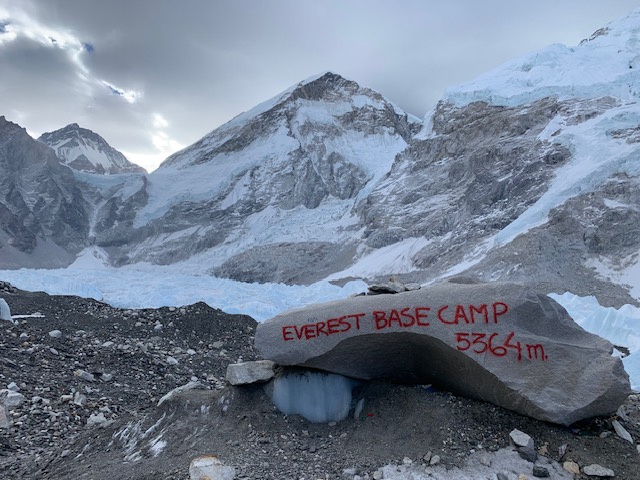
Everest Base Camp is the most famous trek in this comparison and the benchmark against which many other Base Camp journeys are measured.
The classic route passes through Lukla and Namche Bazaar before continuing through the Sherpa heartland towards Gorak Shep and Everest Base Camp. Its extensive network of teahouses and trekking services makes it relatively well supported compared with more remote Himalayan routes.
With a typical duration of around 14 days and a median advertised price of approximately $1,493, Everest occupies the middle of the comparison for both time and standard package pricing. However, its enormous $500–$14,500 price range reflects everything from locally operated treks to luxury and VIP experiences.
Annapurna Base Camp: Shorter and More Affordable
Annapurna Base Camp combines dramatic Himalayan scenery with one of the shortest typical itineraries and lowest median prices in the comparison.
The journey passes through a changing landscape of villages, forests and increasingly high mountain terrain before reaching the Annapurna Sanctuary. The region also has a well-established trekking infrastructure.
With a typical duration of around 11 days and a median advertised price of approximately $895, Annapurna can be particularly appealing to travellers who want a major Himalayan trek without the time commitment associated with K2, Makalu or Kanchenjunga.
Ama Dablam Base Camp: Everest-Region Scenery on a Shorter Itinerary
Ama Dablam Base Camp offers another way to experience Nepal's Everest region without necessarily following the full route to Everest Base Camp.
Ama Dablam is one of the Himalaya's most recognisable peaks, and the trek combines spectacular mountain scenery with the villages and established trekking infrastructure of the wider Khumbu region.
At around 12 days, its typical itinerary is slightly shorter than Everest Base Camp. Advertised prices range from approximately $1,120 to $1,599, with a median of around $1,400, making its pricing relatively concentrated compared with Everest.
Nanga Parbat Base Camp: A Shorter Karakoram Adventure
Nanga Parbat Base Camp stands out because of its comparatively short itinerary. The trip included in this comparison takes around seven days, with an advertised price of approximately $990.
Located in Pakistan, Nanga Parbat offers a very different environment from Nepal's heavily established trekking corridors. One of the best-known approaches is associated with Fairy Meadows, famous for its views towards the enormous Nanga Parbat massif.
With fewer published packages available, its price and duration figures should be treated as indicative rather than representative of the entire Nanga Parbat trekking market.
Makalu Base Camp: A Journey into a Wilder Nepal
Makalu Base Camp is a considerable step up in remoteness compared with Everest or Annapurna.
The route heads towards Makalu, the world's fifth-highest mountain, through a region with considerably less trekking infrastructure. Longer approaches, more limited facilities and greater isolation give the journey a more expedition-like character.
A typical itinerary is around 19 days, while advertised prices range from approximately $1,199 to $2,900, with a median of around $2,038. For trekkers attracted to Nepal but looking beyond its busiest trails, Makalu provides a distinctly more remote alternative.
Dhaulagiri Base Camp: Remote and Expedition-Like
Dhaulagiri Base Camp is another of Nepal's more serious and isolated trekking objectives.
Rather than the extensive teahouse networks associated with Everest and Annapurna, trekking around the Dhaulagiri massif can involve more demanding terrain and a greater reliance on expedition-style logistics.
The itineraries compared here have a typical duration of around 19 days. Published pricing is much more limited, with an advertised figure of approximately $2,899, so it is best viewed as an indication rather than a comprehensive market price.
K2 Base Camp: A True Expedition-Style Trek
K2 Base Camp is one of the most substantial journeys in the comparison.
Located deep within Pakistan's Karakoram, the trek involves a long approach through an exceptionally remote mountain landscape. Unlike the lodge-based experience found along much of the Everest trail, K2 Base Camp has a much stronger expedition character, with camping and complex logistics forming an important part of the journey.
The typical itinerary is around 20 days, while advertised prices range from approximately $1,395 to $9,500, with a median of $2,590. Operator location also makes a considerable difference. Pakistan-based companies have a median advertised price of around $2,300, while UK and US operators sit substantially higher.
Kanchenjunga Base Camp: The Biggest Time Commitment
Kanchenjunga Base Camp stands out as the longest typical journey in the comparison.
Situated in far eastern Nepal, the Kanchenjunga region is much less heavily travelled than the Everest and Annapurna areas. Its remote location, long approaches and more limited infrastructure contribute to a trekking experience that feels considerably more isolated.
With a typical duration of around 25 days, Kanchenjunga requires substantially more time than Everest's 14 days or Annapurna's 11. Advertised trips range from approximately $1,700 to $4,550, with a median price of around $2,403.
The Base Camps at a Glance
Taken together, the eight destinations cover a surprisingly broad spectrum of trekking experiences. Nanga Parbat, Annapurna and Ama Dablam sit towards the shorter end of the duration range, while Everest provides the widest choice of packages and price points.
Move towards Makalu and Dhaulagiri, and journeys become longer and more remote. K2 brings an even stronger expedition character, while Kanchenjunga, with its typical 25-day itinerary, requires the greatest time commitment of the destinations compared.
The result is an important distinction for anyone searching for a Base Camp trek: the words “Base Camp” describe the destination, but they don't define the experience. A short trek with established accommodation and a three-week journey through a remote mountain region may belong to the same broad category, but the logistics, cost and commitment can be completely different.
So, Which Base Camp Experience Suits You?
There is no single “Base Camp experience.”
For travellers with limited time or a tighter budget, Annapurna Base Camp offers one of the shortest typical itineraries and the lowest median advertised price among the main destinations compared.
Everest Base Camp sits in the middle in terms of typical duration and provides by far the greatest variety of advertised packages, ranging from relatively inexpensive local trips to premium international and luxury offerings.
For those looking for a longer and more remote adventure, K2, Makalu, Dhaulagiri and Kanchenjunga move increasingly towards expedition-style trekking, where logistics and isolation become a much bigger part of the experience.
Ultimately, price should never be considered in isolation. Look carefully at duration, altitude, acclimatisation, accommodation, meals, guides, porter support, permits, transport and emergency arrangements before comparing two packages.
The words “Base Camp Trek” might appear on all of them — but the adventures behind that name can be remarkably different.